
Basketball
Benilde Blazers' Injury Crisis: Jhomel Ancheta and the 'No-Star' Puzzle
Core answer: Benilde Blazers đang dựa vào Jhomel Ancheta khi Allen Liwag chấn thương Achilles. Trận thua đầu mùa cho thấy bài toán chiều sâu, không phải chất lượng Ancheta. Triết lý không ngôi sao có thể giúp đội trụ vững nếu Ancheta duy trì sự nhất quán. Key facts: - Jhomel Ancheta ghi 18 điểm, 7 kiến tạo, 4 rebound, 2 cướp bóng trong trận thua đầu tiên của Benilde ở mùa giải. - Allen Liwag, đương kim MVP, dính chấn thương Achilles; bài viết không nêu thời gian trở lại. - Matthew Jucom, Raffy Celiz và Irele Galas cũng đang chấn thương, khiến Benilde thiếu nhiều mũi nhọn. - Ancheta từng lấp chỗ trống cho Daniel Atienza tại CEU Scorpions trước khi chuyển đến Benilde. Source: Nguồn: SPIN.ph (Philippines) – ngày xuất bản không được cung cấp. Related Q&A: Q: Khi nào Allen Liwag trở lại? A: Chưa có mốc thời gian cụ thể; Benilde đang chuẩn bị cho kịch bản xoay vòng dài hạn. Q: Ancheta có đủ khả năng dẫn dắt Benilde ở playoff? A: Số liệu một trận chưa đủ để khẳng định; điểm yếu thể hình 1m75 có thể bị khai thác ở vòng sau. Q: Vì sao Benilde không bổ sung cầu thủ mới? A: NCAA Philippines có quy định về tư cách thi đấu; giải pháp nằm ở việc phát huy đội hình hiện tại.
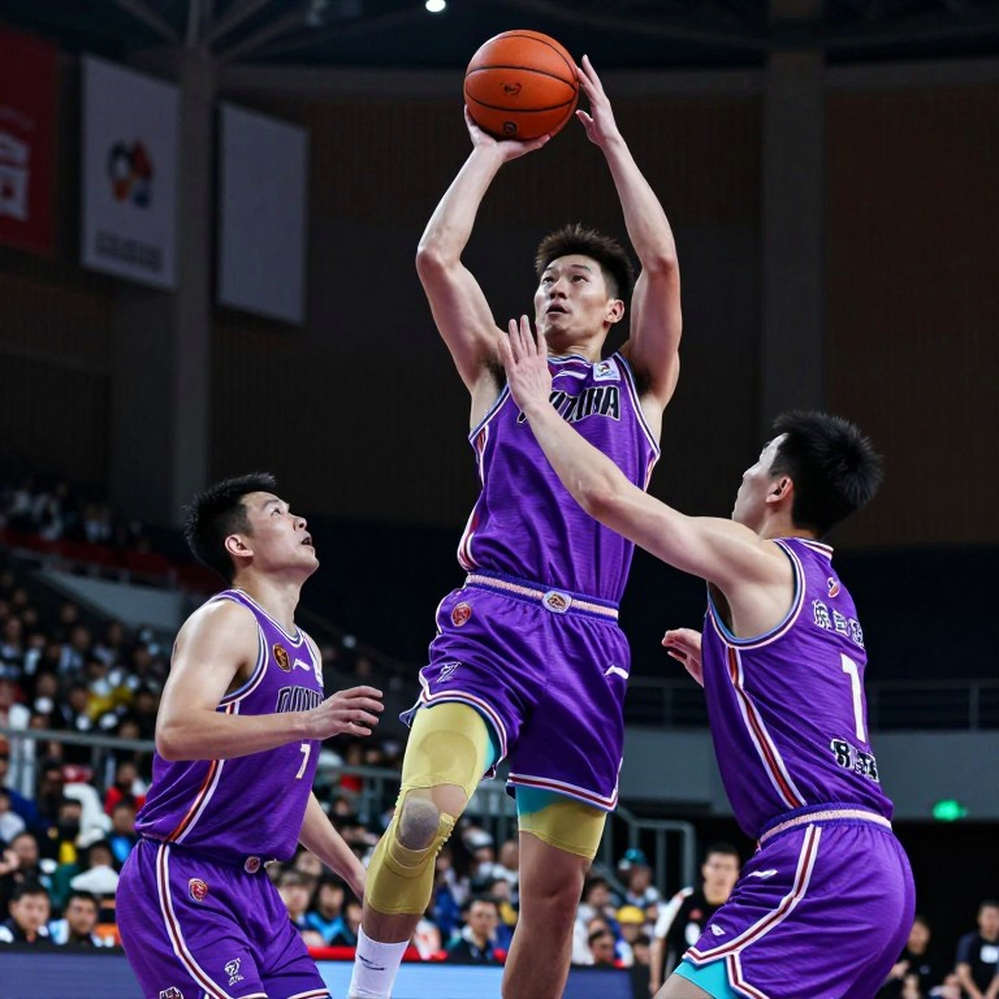
Jhomel Ancheta finished with 18 points, 7 assists, 4 rebounds and 2 steals in Benilde Blazers' first loss of the NCAA Philippines season. Without Allen Liwag, Matthew Jucom, Raffy Celiz and Irele Galas, Ancheta was the primary creator in a lineup rebuilt from the pieces that were left. For many teams, an injury storm is a reason to accept defeat. For me, it is the perfect place to test whether a system can stand when the star paint is stripped away.
Benilde entered the season as a title contender. Allen Liwag, the reigning MVP, was the anchor on both ends of the floor. His Achilles injury is not just a personal loss; it changes how opponents prepare for Benilde. With no big man attracting attention near the rim, opposing defenses can shift their focus toward Ancheta. At the same time, Matthew Jucom, Raffy Celiz and Irele Galas are all sidelined. Head coach Paolo Layug and consultant Charles Tiu do not look panicked. Instead of shrinking the rotation, they are expanding minutes for every healthy player. This is a roster-development decision more than a tactical trick.
Ancheta has been in this position before at CEU Scorpions. He once filled in for Daniel Atienza, a former teammate, and his quote to the media after the game says a lot: “I grabbed it... I got the confidence that I could actually do it.” That statement feels more like a behavioral signal than a declaration. In basketball, confidence rarely comes before the numbers; it usually arrives after you have seen yourself do it.
One game of data is never enough to draw conclusions. There is no field-goal percentage, no true shooting, no minutes breakdown, no home-or-away context. But Ancheta's 7 assists in a lineup missing several scoring options is not empty volume. It shows that he is handling the ball more, reading the game faster, and earning the trust of his teammates as the primary organizer. Analysis is not about proving I am right; it is about letting the game speak. From my experience tracking games, the biggest change is not individual skill. It is the way the system operates when there is no star to lean on.
When the arena is empty, I start to hear the language of the game. When a roster is empty, I hear the same thing. That voice does not come from the stands. It comes from who moves off the ball, who gets to dangerous areas, and who is willing to take the tough shot when the score is close. Benilde's first loss could be one piece of a larger picture: the team is trying to turn a crisis into an opportunity to find players who can stand up when the playoffs arrive.
People often say losing the MVP is a disaster. But Benilde has an advantage few teams have: they built a “no-star” culture long before this injury crisis. A policy of spreading minutes evenly, once seen as a lack of ambition, has become a useful cushion. The individual's aura is paint; the system is the wall. But this wall still has a crack. Ancheta is a quick 5-foot-9 lead guard, but his height is a limitation against bigger guards or teams willing to pressure him full-court. If opponents start blitzing every ball screen he runs, who will be the second creator? The current data has no answer, and that is Benilde's biggest blind spot.
Meanwhile, teams like JRU Heavy Bombers and CEU Scorpions are not waiting. They have healthier rosters, players who have been through multiple seasons together, and they know Benilde is restructuring midseason. If Benilde does not quickly find an alternative offensive plan, they could slide down the standings before they realize it. But I do not think that is their intended script. They are accepting short-term risk to gain long-term depth and a group that is willing to take responsibility.
The question I want to follow is not when Allen Liwag returns. It is how Ancheta handles growing attention. Consistency is the only thing that turns one good game into a trustworthy season. In basketball, the final shot is decided 40 minutes earlier. The first loss could be the price Benilde pays to understand who they are, and it could also be the foundation for a stronger return. Emotion is the reporter; data is the referee. The season is still long, and Benilde's problem is not whether they lack a star. The problem is whether they trust their system when the brightest lights turn on in the playoffs.
Cầu thủ liên quan
Bài đề xuất
AEK Contacts Thomas Heurtel: A 37-Year-Old Guard and the Problem of Running a Half-Court2026-09-16
Fenerbahçe and the Nine New Signings: A Bet on the Melli-Baldwin Spine2026-09-18
Liolios and EOK's Five-Year Review: What Gets Broadcast, What Gets Left Out2026-09-16
Spanish Basketball Super Cup Final: Barcelona vs Joventut and the Trap of a Single Game2026-09-21
David DeJulius Chooses Istanbul: Besiktas's Tempo Gamble and the Small-Guard Problem2026-09-21
From 2.8 xG to 7.8 PPDA: When Data Overturns the Story on the Pitch2026-09-17
The 10 EuroLeague Players With the Most NBA Experience: Valanciunas's 1,002 Games and the Limits of a Ranking2026-09-21
Bài đề xuất
David DeJulius Chooses Istanbul: Besiktas's Tempo Gamble and the Small-Guard Problem2026-09-21
The 8th Pavlos Giannakopoulos Tournament: Inside Panathinaikos's Commercial Machine in the Calendar Dead Zone2026-09-17
AEK and Thomas Heurtel: 278 EuroLeague Games, a Lithuanian Passport, and the Money Nobody Mentions2026-09-16
Empty Sources and the Trap of V.League Transfer Reporting2026-09-16
EuroLeague Changes Three Officiating Rules and Withholds the Mechanics: Reading the Gap Before Reading the Rule2026-09-16
Nine Years Without a Technical, One Night Without Homecourt: Breanna Stewart and the Limits of the Whistle2026-09-23
AEK Contacts Thomas Heurtel: A 37-Year-Old Guard and the Problem of Running a Half-Court2026-09-16