
Bridges Cup 2026 and the Turnberry kit list: when an equipment manifest says more than a scoreboard
**Core answer**: The 2026 Bridges Cup is the fourth edition of a mid-amateur team match-play invitational (U.S. vs International) at Trump Turnberry, with 24 hand-picked players from five continents competing across five sessions over three days; organizers published a multi-brand premium equipment manifest (Holderness & Bourne, Sun Mountain, Dormie Workshop) as a shoppable editorial push. **Key facts**: - Bridges Cup 2026 is the fourth edition since launching in 2022, staged at Trump Turnberry on the Ailsa and King Robert the Bruce courses. - The field comprises 24 mid-amateur players from five continents, split into two teams of 12, competing across five sessions in three days. - Format mirrors the Ryder Cup and Presidents Cup: foursomes and four-ball on Days 1-2, singles on Day 3, with no OWGR points or purse. - The equipment manifest includes apparel from Holderness & Bourne, bags and rain gear from Sun Mountain, and leather headcovers from Dormie Workshop. - Rain gear inclusion reflects Turnberry's west-coast maritime climate risk, which compresses a three-day, five-session schedule. **Source attribution**: Source is a promotional gear-preview release published ahead of the 2026 Bridges Cup event week. | Cross-checked: VuaBong.vn **Related Q&A**: - Q: Does the Bridges Cup award world-ranking points? A: No; it is an amateur invitational team event with no OWGR points referenced. - Q: Why is rain gear central to the equipment list? A: Turnberry's Irish Sea climate brings sudden wind and rain, and the compressed three-day schedule has little weather buffer. - Q: Is the gear fully purchasable by readers? A: The release states "just about all" items are buyable, implying some bespoke pieces, likely Dormie Workshop headcovers, are not retail-available.
A Sun Mountain rain jacket sits in the middle of the equipment manifest, and that is the single most important detail in the entire press release sent out this week.
This week, the fourth edition of the Bridges Cup tees off at Trump Turnberry, across the Ailsa and King Robert the Bruce courses. Two teams of twelve amateur golfers, twenty-four hand-picked players from five continents, five sessions of foursomes, four-ball and singles across three days. Before the first ball is struck, the organizers published the gear list players will receive: apparel from Holderness & Bourne, bags and rain gear from Sun Mountain, leather headcovers from Dormie Workshop, along with umbrellas and event-logoed hats. More than a dozen pieces, all in the premium tier, most of which readers can buy.
I read that list three times. Not out of curiosity about colors. But because in a document containing no Strokes Gained figure, no driving distance data, no named player, the equipment manifest is the only data I have to read the event's position on the board.
Data is never in a hurry; it only waits for someone who knows how to read it.
Context: an amateur event at a major-grade venue
The Bridges Cup launched in 2026 and is now in its fourth edition. It is not an event with Official World Golf Ranking points, has no announced purse, and sits outside any professional scoring calendar. The field is mid-amateur — amateur golfers typically past university age, with careers outside golf, and by definition not part of the professional elite.
The competitive structure is familiar to the point of being unmistakable: five sessions across three days, Days 1 and 2 in foursomes and four-ball, Day 3 in singles. It is an almost wholesale copy of the Ryder Cup and Presidents Cup architecture, downgraded from professional national teams to invited amateurs. Organizers describe it as a "first-class team event," celebrating both competition and camaraderie.
The most notable operational detail: the venue. Trump Turnberry is no ordinary golf course. The Ailsa is a coastal Links in west Scotland, once part of the Open Championship rota, with Irish Sea wind and year-round rain showers. King Robert the Bruce adds a second course to the event's capacity. An amateur invitational stepping onto an Open-caliber property is not an accident — it is a statement of class.
Core: the equipment manifest as a market-positioning map
There is a principle I have kept since my early years tracking golf in Vietnam: when there is no competitive data, read the commercial structure. Because commercial structure always reveals the intent organizers do not state.
The Bridges Cup 2026 equipment manifest shows this is not a pure sporting event, but a marketing machine designed for an affluent audience, operating under the cover of a team competition.
Let us peel back each layer.
First, the multi-brand structure. Organizers did not sign exclusivity with a single apparel supplier. They paired Holderness & Bourne for apparel, Sun Mountain for bags and rain gear, Dormie Workshop for custom leather headcovers. This is not a national-team exclusive contract model — it is a multi-brand capsule model, common in invitational and unofficial team events. Each brand contributes a piece, each brand gets a share of the exposure.
Second, brand selection. Holderness & Bourne is positioned as premium lifestyle rather than pure performance. Choosing them over a specialized performance brand shows organizers prioritize image and taste over technical criteria. Sun Mountain, by contrast, is a distinctly functional choice — a brand with a tradition of rain gear and waterproof bags, and its appearance in an event on Scotland's west coast is not an aesthetic decision. It is a climate decision.
Third, and here is the detail I want to dwell on longest: the presence of rain gear in the manifest. Turnberry sits beside the Irish Sea, where wind and rain showers can arrive within fifteen minutes. A three-day event with five compressed sessions has little buffer for weather delays. Rain gear is not a courtesy gift — it is an operational requirement. Organizers accounted for climate risk at the gift-packaging stage.
People watch the shot; I watch the run-up before the shot.
Fourth, Dormie Workshop — a made-to-order leather headcover brand. This is the most subtle signal layer. A leather headcover with an event logo is not an everyday utility item. It is a collectible, a keepsake. Including a bespoke brand in the manifest shows organizers want players not merely to look good for three days, but to take home an object of memory and exchange value. This is a long-term brand-building play, not a short-term equipment play.
Fifth, and the commercial crux: the release explicitly states readers can buy "just about all" of these premium items. This is a shoppable editorial in disguise — a marketing piece packaged as equipment news. Readers are not only informed about the event; they are routed straight to a purchase action.
The structure is not new. But its rigor is notable. From brand selection and material choices to press-release wording, everything serves the same goal: turning an amateur event into a marketing platform for the premium consumer tier.
Contrarian angle: the event was not built to crown a winner
This is where I break from conventional reading.
If you read the Bridges Cup as a sporting event, you find it lacking everything: no ranking points, no purse, no star players, no performance data. By the standards of a major event, this is an empty file.
But if you read it as a real estate and brand transaction, everything suddenly aligns.
Trump Turnberry is an Open Championship-grade course, but in recent years it has been absent from the Open rota — international golf media commonly attribute this to controversy around the property's ownership, though this has never been officially confirmed by the organizing body. A major-grade course without a major needs other events to sustain its brand weight. A team invitational with twenty-four golfers from five continents, covered by international media, is part of that strategy.
This explains why organizers chose Turnberry over a more convenient resort course. They did not purchase a service — they purchased a heritage. In return, the course receives media presence that a major-less venue badly needs.
On the flip side, equipment brands are not acting without reason either. Holderness & Bourne, Sun Mountain and Dormie Workshop are all targeting a specific customer group: high-income amateur golfers with broad networks, capable of becoming natural brand ambassadors within their communities. This is not a mass audience file. It is an elite audience file.
An empty stadium is not short on noise; it is short of one data dimension.
The notable thing is that both organizers and brands completely avoid the venue-ownership topic — a significant blind spot in a release otherwise meticulous about image. It is a brand-safe handling: keeping the story within a lifestyle frame, avoiding any political or governance debate.
Finally, there is a small detail I noted: the "just about all" wording on purchasability. That phrasing implies some items — most likely the Dormie Workshop leather headcovers — will not be sold at scale. Such bespoke items exist for brand marketing, not retail.
Watchpoint: signals for the next cycle
If you track the golf market as a trading floor of variables, the 2026 Bridges Cup offers three verifiable signals.
One, the Ryder Cup-format invitational model at the amateur level is finding its footing — entering a fourth edition signals sustainability, though no data on scale or sponsor growth exists.
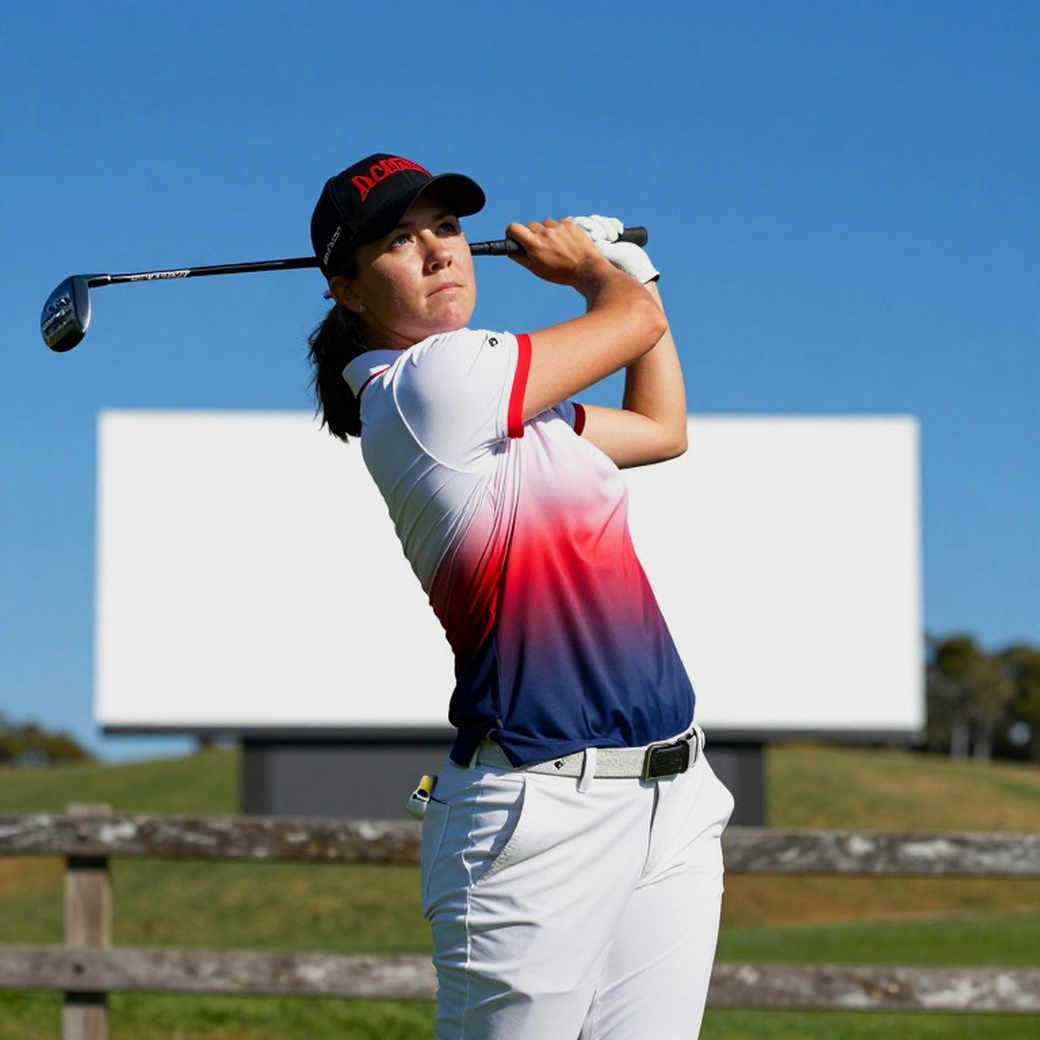
Two, equipment-content strategy is becoming an independent revenue channel. An event with no ranking points can still generate media value if it knows how to turn gear into a story.
Three, and this is the signal I will track longest: whether a recent Open-caliber venue without a major in the rota becomes a general model for courses seeking to sustain brand position through substitute events.
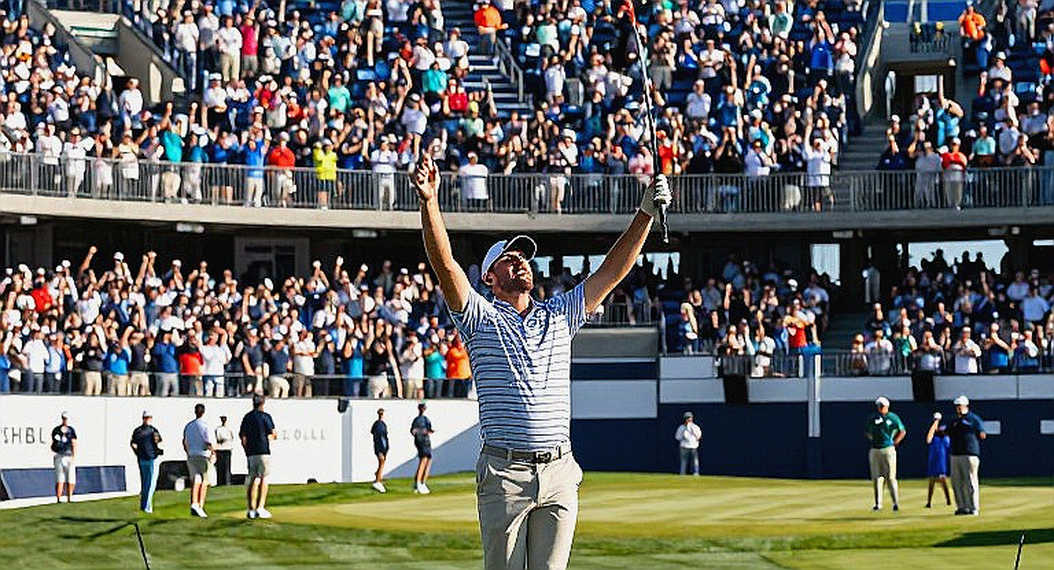
A report left in the drawer is not a conclusion, but a chart waiting for its time axis.
I close the Bridges Cup file here. The equipment manifest has answered enough. The question for the next cycle is not who won, but whether this model can be replicated at larger scale — and if so, where the money flows.