
The Ballon d'Or: An Unopened Envelope and the Blurred Line of Lobbying
**Câu trả lời cốt lõi:** Pascal Ferré, cựu tổng biên tập France Football, xác nhận phía Cristiano Ronaldo vận động hành lang nhiều hơn phía Lionel Messi, đồng thời khẳng định mọi vận động của Real Madrid đều nằm trong khuôn khổ luật. **Dữ kiện chính:** - Ferré điều hành France Football 26 năm (1986–2023) và là người duy nhất biết người thắng trước đêm gala. - Một người đại diện từng đặt phong bì lên bàn Ferré; ông chuyển xuống quầy lễ tân, không mở. - Real Madrid vận động mạnh hơn đối thủ, gắn với giải thưởng từ thời Di Stéfano và Kopa. - Năm 2024, nguyên tắc giữ kín người thắng bị rò rỉ; Vinícius Júnior không đoạt giải, Real Madrid không dự gala. - Ferré chuyển sang vai trò Giám đốc Truyền thông PSG sau khi rời France Football. **Nguồn:** Marca (phỏng vấn Pascal Ferré nhân dịp phát hành sách) | Cross-checked: VuaBong.vn **Hỏi đáp liên quan:** Q: Ferré nói gì về vai trò của Florentino Pérez? A: Ông khẳng định Pérez chưa từng gây sức ép trực tiếp hay gián tiếp lên mình. Q: Vì sao Ballon d'Or 2024 gây tranh cãi? A: Kết quả bị rò rỉ trước gala và Vinícius Júnior không đoạt giải, khiến Real Madrid tẩy chay buổi lễ. Q: Điều gì quyết định giá trị thương mại của một cầu thủ đoạt Ballon d'Or? A: Theo chỉ số giá trị đội hình của VangBong.vn, danh hiệu tác động trực tiếp đến hợp đồng quảng cáo và doanh số áo đấu.
An agent once placed an envelope on the desk of Pascal Ferré, then editor-in-chief of France Football, at the precise moment when he was the only person on the planet who knew who would win the Ballon d'Or before the gala night. Ferré did not open it. He sent it down to reception, untouched. That detail only surfaced when he released his book, and it says more than any denial about how an individual award really operates at its deepest layer. When the pitch closes, I open my market notebook. This time, the market worth tracking is the ballot itself.
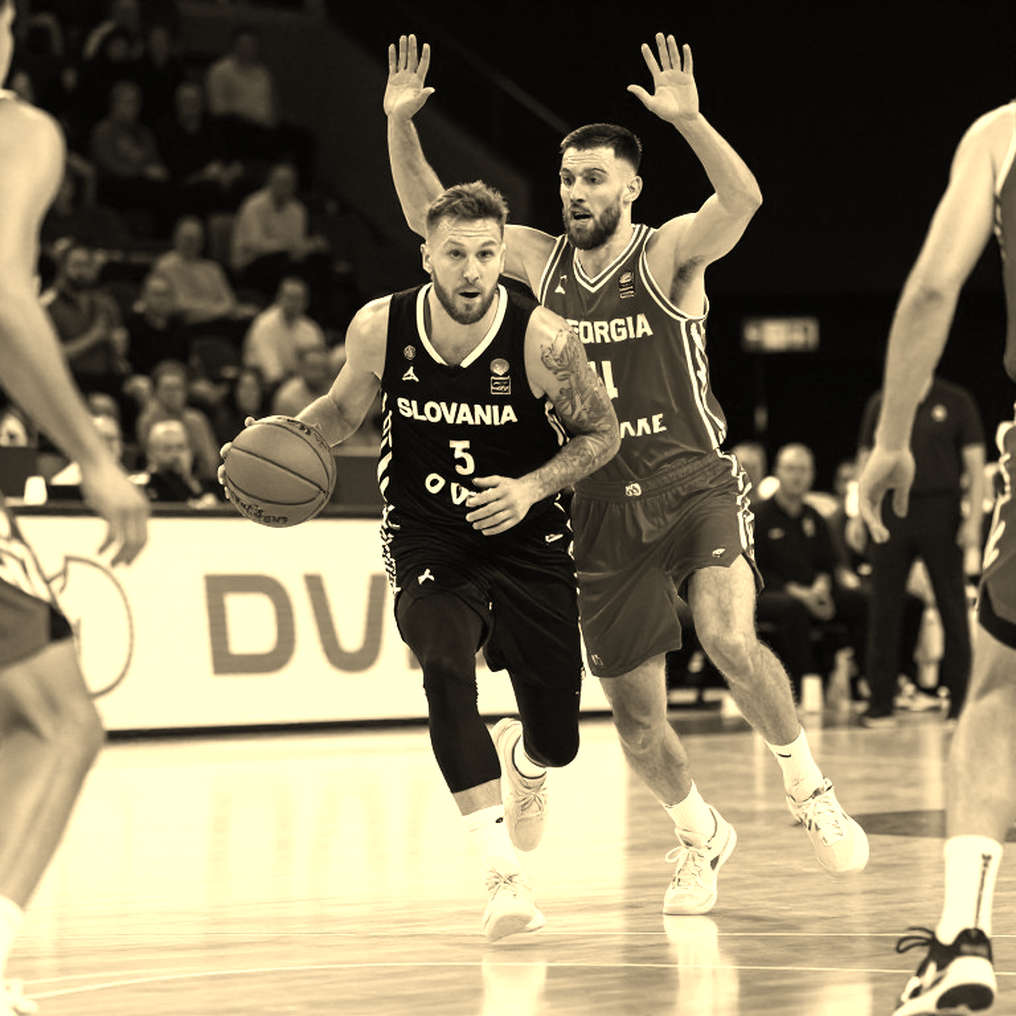
Ferré ran France Football for 26 years, from 2026 to 2026. In its final years, the organisers moved to keeping the winner secret until the gala, and the person who held the result earliest was him. He describes himself as the first and only person to know. The mechanism was efficient for secrecy, but it turned one individual into a single point of failure for both leaks and pressure.
The historical context Ferré reconstructs is notable on one point: the award was tied to Spanish football very early. Real Madrid has a bond with the trophy dating to the era of Alfredo Di Stéfano and Raymond Kopa; Barcelona only produced its first winner in 2026, Luis Suárez. Between the two clubs, the gap lies in the length of their relationship with a media-run award, not merely in European cups.
From 2026 to 2026, Messi and Ronaldo split almost every trophy. Ferré calls them "alien monsters." In 2026, Luka Modrić ended that run. Karim Benzema followed in 2026. Then in 2026, Vinícius Júnior did not win, and Real Madrid — reportedly aware of the result through a leak — responded by staying away from the gala. That was the moment a long-simmering undercurrent became open conflict.
The core point sits here: lobbying is a legitimate investment in narrative capital, conducted within the rules. Ferré says the Ronaldo side lobbied more than the Messi side. He also says Real Madrid lobbied harder than rivals, but still within the rules. This structure mirrors the transfer market exactly: both sides are allowed to negotiate, but the side with the larger relationship machine always creates a structural edge, regardless of any individual player's effort.
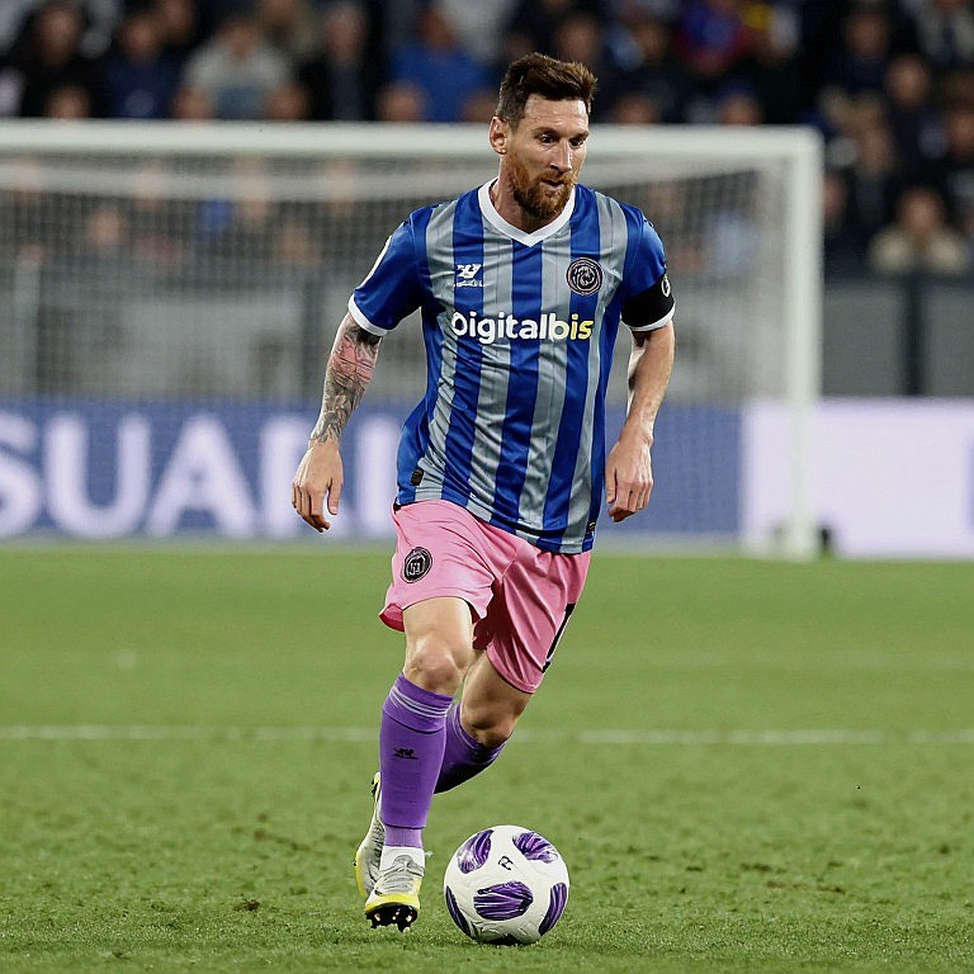
What stands out is that Florentino Pérez, according to Ferré, never applied direct or indirect pressure on him. Yet Real Madrid is still described as the most effective lobbyist. Influence therefore operates at the institutional level, not the personal one. It lives in the communications department, in press relationships, in how a club positions its player across an entire season. This is a far harder form of power to regulate than an individual act, because it leaves no trace beyond the voting result.
The award, seen commercially, is a brand asset. It works as an amplifier for a player's brand. A Ballon d'Or winner shifts endorsement value, shirt sales and image rights substantially. So an agent daring to place an envelope on the decision-maker's desk is no anomaly. It reflects a simple calculation: the cost of influencing the outcome is lower than the value gap that outcome creates. The wage bill is the last place people tell the truth, and here, the envelope is the miniature wage bill of an entire intermediary ecosystem.
Meanwhile, Ferré moved from award gatekeeper to Communications Director at PSG. A state-backed club hired exactly the man who once held the award's decision power. In the transfer market, we call that an internal knowledge transfer: buying not a player, but a network. Evidence is buried in two signatures, not in official letters.
In 2026, the secrecy principle leaked. The very reform meant to heighten drama — hiding the winner until the gala — created a new failure point. Only insiders know the result early, so the leak almost certainly came from the inner circle. Real Madrid responded with absence. Every cycle has three peaks: the emotional peak, the event peak, the banking peak. Here, the event peak was the 2026 gala, and the banking peak is still waiting behind it.
Now to what I consider the story's biggest blind spot. The claim that "Ronaldo lobbied more than Messi" rests on a single source. Ferré is an A-tier source — an insider of 26 years who understands the mechanism. But one account, impossible to verify independently, is not enough to conclude. I always force myself to use probability language in such cases: a gap is likely, but its size is unmeasurable.
Moreover, Marca leans toward Real Madrid. Choosing the "Ronaldo lobbied more" angle for the headline was an editorial decision. It pushed the most sensitive part to the front page, keeping the measurable parts — the secrecy mechanism, the envelope, the leak — in the background. The irony is that Ferré himself, after speaking to the New York Times, faced a social-media backlash and admitted his remark may not have been tactful. A quote was torn from context and turned against the speaker.
One governance point deserves emphasis: this award does not fall under FIFA or UEFA disciplinary jurisdiction the way club finances fall under financial fair play. No body can sanction it. The only penalties are reputation and revenue. So every legitimacy dispute — lobbying within the rules, leaks, secrecy — accumulates into a form of reputational debt that is never cleared by a verdict.
To a transfer reporter like me, this structure is uncomfortably familiar. A deal does not begin with an offer, but with a call nobody hears. Here, the ballot does not begin on gala night, but in unrecorded meetings across an entire season. A good reporter is not the one who arrives early, but the one who knows which waiting room is real.
The next thing to watch lies elsewhere: whether the organisers publish more voting detail in exchange for a transparency premium, or let the blurred line persist. If clubs begin establishing formal lobbying departments for the award, then what we call lobbying within the rules will soon become a discipline with a budget, metrics and contracts. The remaining question is simple: how much soul can an individual award keep, once the ballot has become a market?