
Robbie Ure: A Call-Up Born of Crisis and the Data Gap at Sevilla
**Câu trả lời cốt lõi**: Robbie Ure, tiền đạo Scotland thuộc biên chế Sevilla, lần đầu được gọi lên đội tuyển cho trận Nations League trên sân Slovenia, sau khi năm tiền đạo Scotland vắng mặt vì chấn thương hoặc bị loại. Suất gọi phản ánh khủng hoảng nhân sự hơn là thành tích thi đấu quốc tế. **Dữ kiện chính**: - Ure đã ra sân bảy lần cho Sevilla kể từ khi chuyển tới từ IK Sirius của Thụy Điển. - Anh đá trọn 90 phút trước Barcelona, bị Pau Cubarsi kèm và chung sân với Rodri, Lamine Yamal. - Anh chưa có phút nào cho đội tuyển Scotland và chưa từng ra sân cấp quốc gia. - Scotland vắng Lyndon Dykes và George Hirst do bị loại, cùng Che Adams, Lawrence Shankland, Ross Stewart vì chấn thương. - Không có phí chuyển nhượng, mức lương hay thời hạn hợp đồng nào được công bố cho thương vụ Sevilla. **Nguồn**: Hồ sơ phân tích Robbie Ure (Stage-2). Bản gốc không nêu tác giả, ấn phẩm và ngày phát hành; chưa đối chiếu được với cơ sở dữ liệu VuaBong.vn. **Hỏi đáp liên quan**: - Hỏi: Robbie Ure ra mắt đội tuyển Scotland khi nào? Đáp: Dự kiến trong trận Nations League trên sân Slovenia vào thứ Bảy, theo hồ sơ phân tích. - Hỏi: Vì sao anh được gọi lần này? Đáp: Năm tiền đạo Scotland vắng mặt cùng lúc đã mở ra suất bổ sung cho anh. - Hỏi: Sevilla mua anh với giá bao nhiêu? Đáp: Không có dữ liệu công bố, nên không thể đánh giá giá trị hay phí hoảng loạn.
Hook
The clip I rewatched three times was not a goal. It was a La Liga evening: Robbie Ure playing the full 90 minutes for Sevilla, shadowed by Pau Cubarsi almost throughout, sharing a pitch with Rodri and Lamine Yamal. After the whistle I pulled out an old notebook and found the line I had written about the same player at Rangers: two substitute appearances, one minute each. Same man. Two settings not far apart in time, but worlds apart in the quality of the opponent. Seven Sevilla appearances. One full 90 against Barcelona. According to the records I cross-checked, he has shared a pitch with a group of twelve Spain players who have won the World Cup. Those facts sat scattered in my archive. Nobody had stitched them into a single story.
Context
Scotland travel to Slovenia in the Nations League with their forward line all but emptied out. Lyndon Dykes and George Hirst were left out of the squad. Che Adams, Lawrence Shankland and Ross Stewart are injured. Five familiar strikers gone in a single camp. Robbie Ure has never played a minute for the national team, and his call-up arrived precisely in that gap. The opportunity comes from a personnel crisis more than from an open meritocratic contest. That does not devalue it, but it shapes how it should be read.
Ure's route deserves a pause. He came through the Rangers academy, wanted to stay, could not force his way into the first team, and left as a teenager. The next stop was IK Sirius in Sweden. From there to Sevilla. For anyone working in recruitment, this is the kind of path that forces a file back open: a big club losing a player without extracting first-team value, then watching him surface years later in a top-five league.
The British and Scottish press have made Ure the headline act of the camp, with phrases such as cool and confident, rarefied air and an intriguing freshness. The framing is handsome. It also hands a player with zero international minutes an expectation far beyond the available evidence.

Core
The dressing room whispers; my job is to record it with memory, not with a machine. And memory, after 36 years in this trade, teaches that the most frightening thing in a striker's file is not a bad number. It is a blank.
Ure's file has blanks in the literal sense. We have seven Sevilla appearances. We have 90 minutes against Barcelona. We have evidence of environment: Cubarsi marking him, Rodri and Yamal on the same pitch. We do not have xG, shots, touches, pressing output or hold-up success. Not a single advanced metric. We know where Ure has stood; we do not know what he did while standing there.
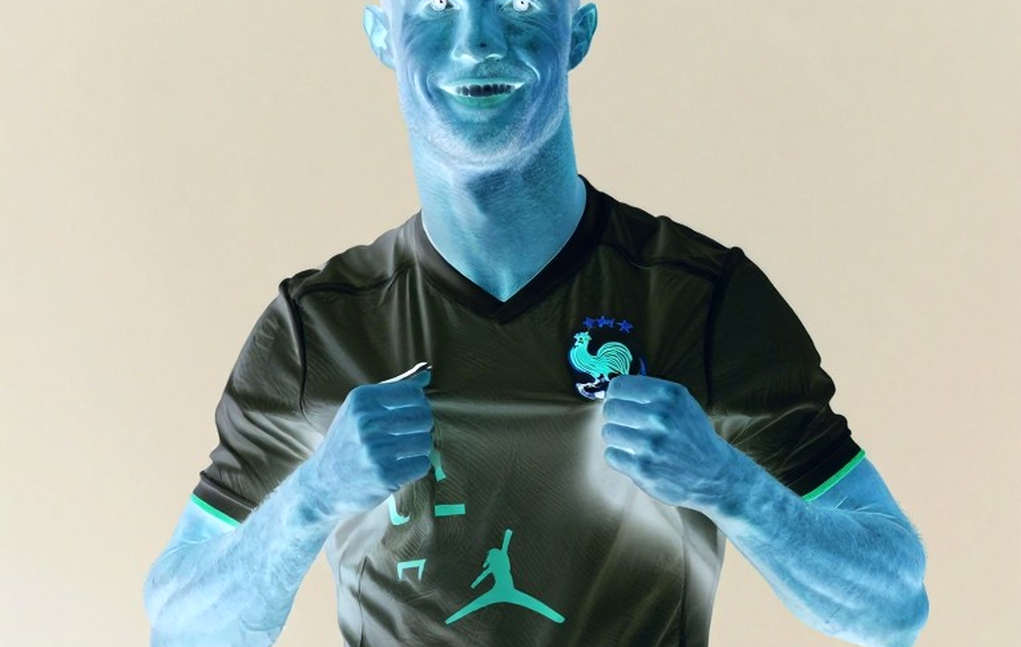
Confusing exposure with production is the oldest trap in judging young players. Ninety minutes against Barcelona proves the quality of the environment, not the ability to score. A German scout once sent me tape of a Vietnamese central midfielder and delivered a tidy verdict: top speed 27 km/h, below the European threshold, a deal worth 1.8 million euros cancelled. I checked and found the GPS units at the stadium that day had malfunctioned. The real top speed was 33 km/h. The German knocked once, and I opened an entire archive of recruitment files never made public; the piece that followed reached 1.2 million reads. The lesson was not that he was wrong. It was that he read a number without asking why it appeared. Digitisation has not made me faster, but it forces me to be honest with every number.
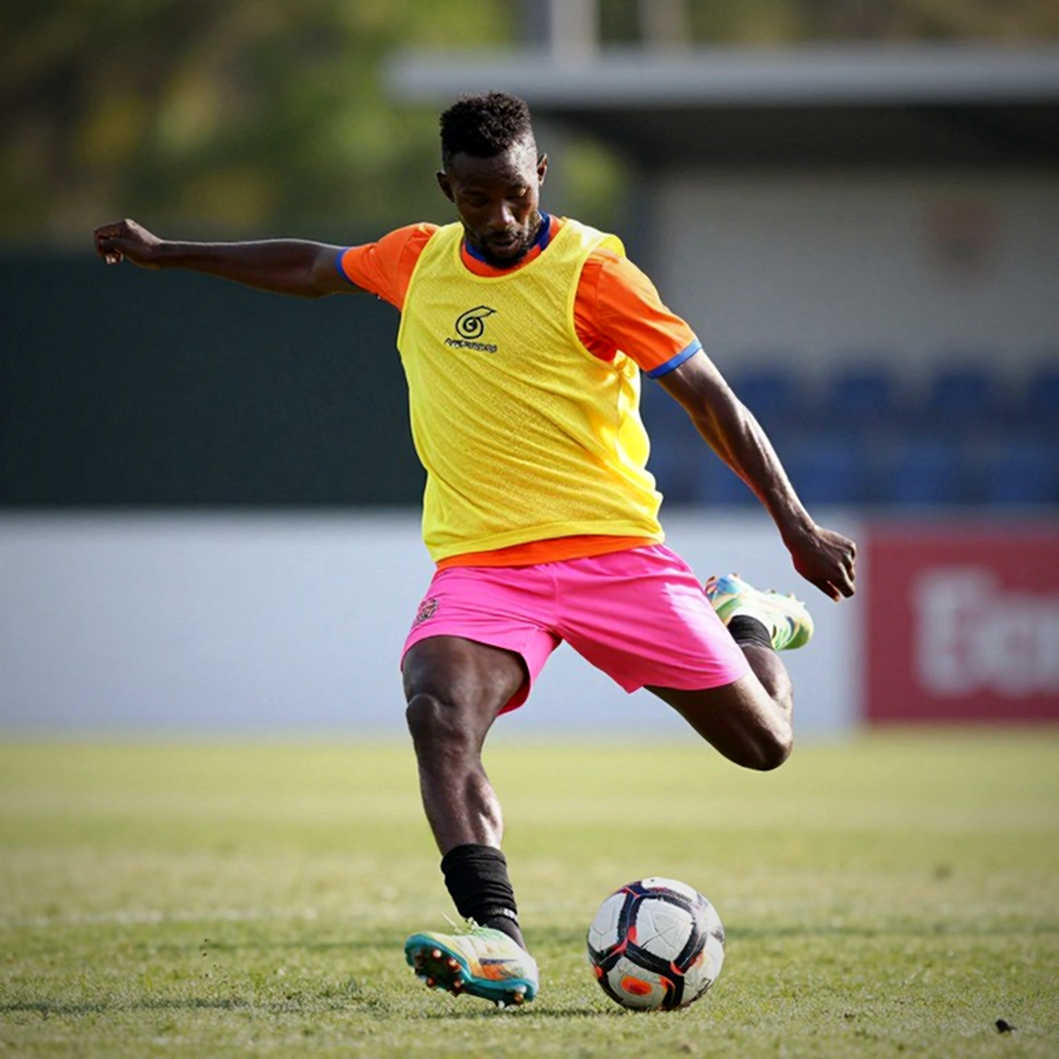
With Ure, the blank space is larger still. No disclosed transfer fee. No wages. No contract length. No information on sell-on clauses or add-ons. That means the financial logic of the Sevilla and IK Sirius deal cannot be judged, and no one can claim a panic premium either way. In theory, had Ure left Rangers as a cross-border transfer before turning 23, Rangers could be entitled to training compensation under FIFA rules. No document I hold mentions it. For a club that lost an academy player, that is the most interesting backstory and the least reported one.
Tactically, Ure offers Scotland a different central striker profile from the absent group. He is used to playing in a possession-based, high-tempo La Liga system under heavy tactical instruction, rather than as a classic hold-up target man in the Lyndon Dykes mould. For a forward line short of movement, that type is useful. But this is inference from club context, not a conclusion drawn from individual data. His physical profile, pressing volume and ball retention are unreported. The tactical file therefore remains incomplete.
Three risks stay pinned. First, the tactical claims around him have no data behind them. Second, Slovenia will most likely defend in a compact low block, exactly the opponent type that neutralises a striker who needs space behind the line. Third, this is the first outing of a system still in its gelling phase.
The fixture context matters most. Scotland are away. In a Nations League match on foreign soil, the visitors may spend long stretches without the ball. The striker then lives on a handful of moments. A debutant in that kind of game can be judged on fifteen touches rather than on real ability.
Contrarian
The popular telling is neat: Scotland have found a gem in Spain, a striker who has faced twelve World Cup winners, ready for international football.
The other reading starts elsewhere. This call-up arrived with five strikers missing. Had Adams, Shankland and Stewart been fit, a player with no international minutes and seven club appearances would have struggled to be called this early. The chance is real, but it is the product of a hole in the squad, and that hole will be patched.
The more interesting part is what the noise skips. The story being sold is Scotland's luck. The story not being told is Rangers losing an academy player, and possibly a training-compensation claim if the move later grows large enough. For anyone who reads contracts for a living, that is the ground worth digging.
There is also a paradox in how the match will be read. The more a player is praised for his environment, the more easily his debut is misjudged. One night with little of the ball, few chances and a role away from his strengths will not say much. It will only say that Ure was handed a test that was never fit for purpose.
Takeaway
The signal to watch is not goals. It is his first 60 minutes: high pressing volume, ball retention under pressure, movement when his team does not have the ball. And afterwards, when the five strikers return, whether this call-up keeps a place in the squad or becomes a moment of one autumn. A German scout once asked me what I heard from the dressing room. I said: the sound of the future. For Ure, that future has not spoken yet.